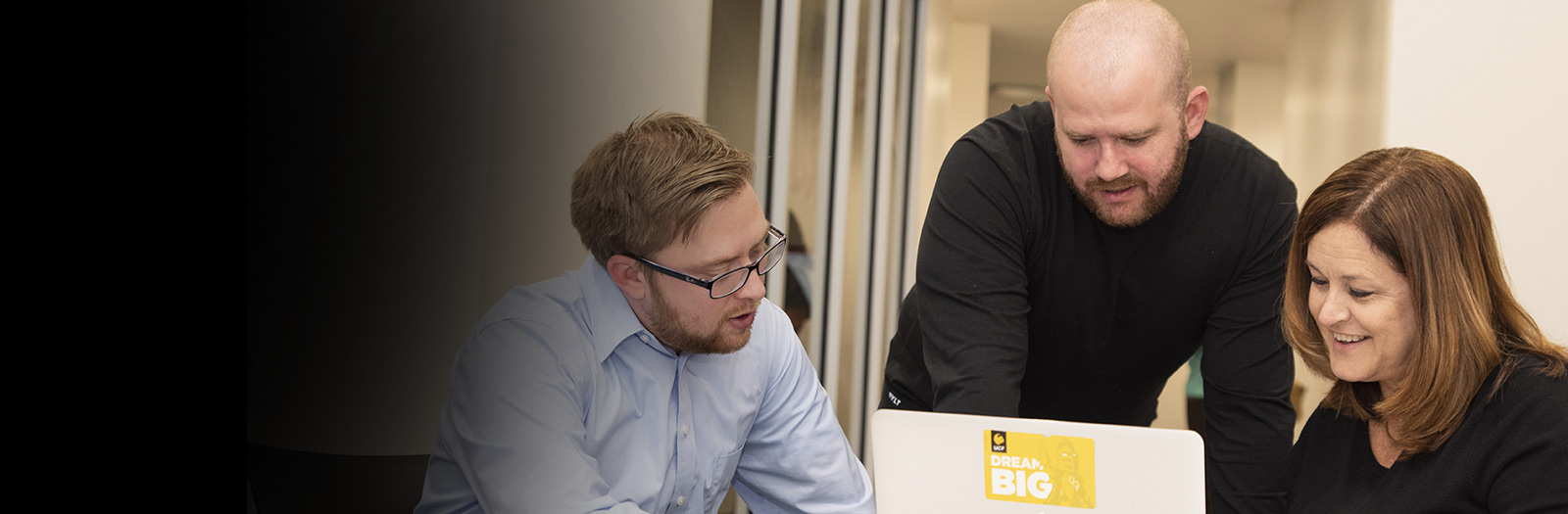
As a graduate student in UCF’s Department of Learning Sciences and Educational Research, you’ll be part of a community that’s constantly pushing boundaries to understand and improve how people learn.
Here, you’ll have access to powerful resources like the CASTLE Lab (Computing and Statistical Technology Laboratories in Education), where expert faculty and lab instructors help you design research, analyze data and master the latest software. You’ll find peers who share your interest in discovering how meaning is constructed and experienced as part of the Qualitative Research Club. You’ll learn about the latest findings in your field and engage with professional communities at events like the Annual Conference on Gifted Education, and through memberships in professional organizations such as American Educational Research Association, Association of Educational Communication and Technology, and the Florida Association for Gifted Children. These connections open doors to presenting your work, gaining feedback and building a career-ready network.
So whether you're looking to grow as a scholar, practitioner or leader, you’ll have access to the tools, mentorship and community you need to thrive — and to turn great questions into even better answers.
CASTLE Lab
Need help with data analysis or research design and methodology? The Computing and Statistical Technology Laboratories in Education — better known as the CASTLE Lab — is here to help you every step of the way.
Located in the Teaching Academy (Room 305) on UCF’s main campus, CASTLE is a go-to resource for graduate students and faculty working on research and data-driven projects. The lab is equipped with powerful software for both quantitative and qualitative work, including SPSS, R Studio, SAS, Mplus, ATLAS.ti, STATA, AMOS, HLM and more. If you need help, our lab instructors are available to walk you through research design, demonstrate software and offer guidance on processing your data.
Qualitative Research Club
Join students from across UCF and become part of the Qualitative Research Club. Here, you’ll not only find a group of like-minded peers interested in learning about qualitative research beyond the classroom. You’ll be able to join them in collaborating on work in education, sociology, hospitality, anthropology, chemistry, communications and more.
Professional Associations
No matter where you are in your career, making connections is essential. Joining professional organizations gives you direct access to international, national and state conferences, valuable networking opportunities and the latest research and tools shaping our understanding of learning today. It’s a great way to deepen your knowledge, expand your professional circle, and stay engaged with the ideas and innovations driving your field forward.
Here are just a few:
American Educational Research Association
American Evaluation Association
American Psychological Association
American Statistical Association
Association for the Advancement of Computing in Education
Association of Educational Communication and Technology
Association for Supervision and Curriculum Development
The Council for Exceptional Children
Florida Educational Research Association
National Association for Gifted Children
National Council on Measurement in Education
Society for Information Technology and Teacher Education
World Council for Gifted and Talented Children
Academic Advocates for Gifted Education (ADAGE) Conference
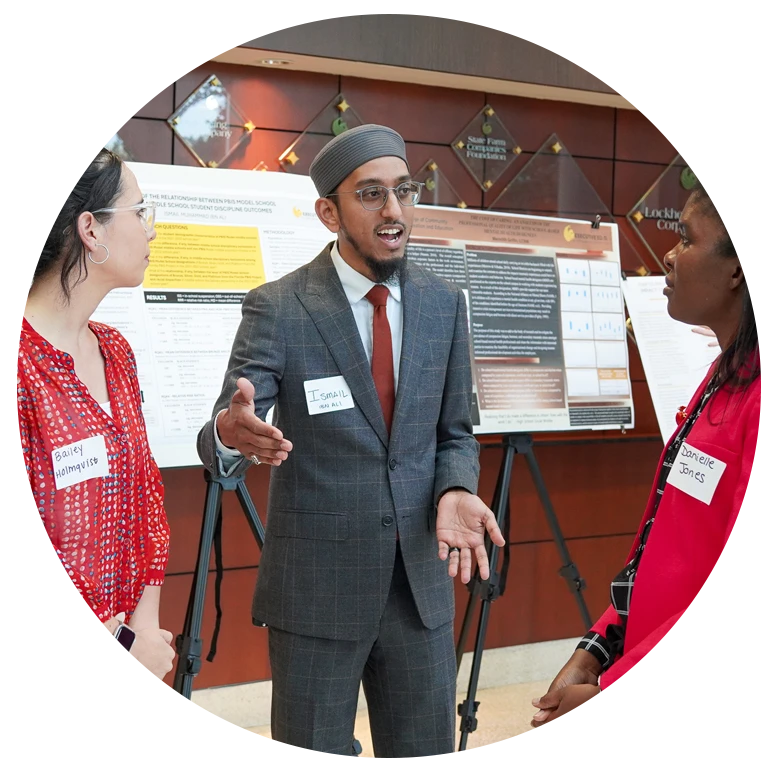
Every spring, the annual ADAGE Conference brings together faculty, teachers, parents, graduate students and experts from across the nation. Held on the UCF campus and planned in collaboration with Florida school districts, this free event presents the best practices and latest research on pressing issues in the field, such as the impact of AI on gifted minds. It’s the perfect opportunity to meet fellow classmates, network with local professionals and learn from top scholars in the field.